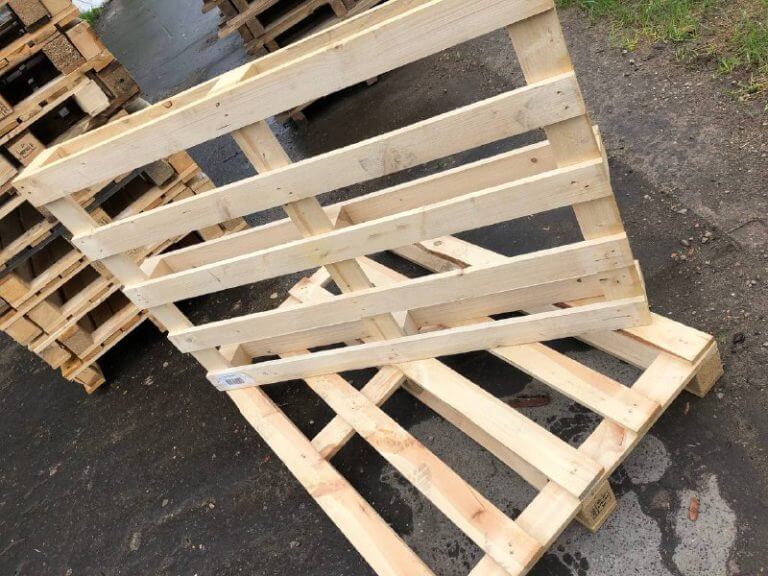
10 Quick Tips To Top Wooden Pallets
Top Wooden Pallets: Exploring the very best Options for Your Needs
When it pertains to logistics, storage, and shipping, pallets play an important role in guaranteeing that products are transported safely and effectively. Amongst the numerous types of pallets offered, wooden pallets have gained immense popularity due to their durability, adaptability, and cost-effectiveness. This blog post will explore the top wooden pallets readily available today, using insights into their features, advantages, and applications.
The Importance of Choosing the Right Wooden Pallet
Choosing the ideal wooden pallet is vital for companies that count on the safe transport of products. The suitability of a pallet can impact whatever from shipping expenses to item integrity. Each kind of wooden pallet has its own benefits and drawbacks, so comprehending the different alternatives is necessary for making a notified decision.
Types of Wooden Pallets
Wooden pallets can be found in numerous types, each designed for specific applications. Below is a table summarizing the most typical types of wooden pallets together with their qualities:
Type of Pallet
Description
Typical Uses
Advantages
Downsides
Block Pallets
Made with blocks of wood in each corner for stability.
Sturdy applications
High load capacity, stackable, reusable
Heavier than other types, might be more costly
Stringer Pallets
Built with long stringers running between boards.
Standard shipping and storage
Light-weight, simple to handle
Less durable than block pallets, restricted strength
Euro Pallets
Standardized pallets used predominantly in Europe.
International shipping
Long lasting, constant sizing
Greater cost, specific guidelines in some areas
CP Pallets
Customized pallets mainly used in the chemical market.
Chemical and dangerous materials
Specific design for high-risk products
Not widely appropriate outside chemical market
Plywood Pallets
Made from plywood instead of solid wood.
Export and worldwide shipping
Light-weight, moisture-resistant
Less durable for heavy loads
Features to Consider in Wooden Pallets
When picking a wooden pallet, a number of features should be taken into account.
- Load Capacity: Different pallets have various load capacities. Understanding how much weight a pallet can bear is essential for making sure safe transport.
- Durability: Consider the products used, in addition to the construction technique. Block pallets tend to be more resilient than stringer pallets.
- Dimensions: Standard measurements vary by area, with Euro pallets normally measuring 1200mm x 800mm, while North American pallets frequently measure 48” x 40”. Choose a size that fits your storage and transportation requirements.
- Customization: Some businesses might need custom pallets to accommodate unique product shapes or sizes. Custom-made style alternatives are offered through lots of producers.
- Environmental Impact: Opting for sustainably sourced wood can decrease your carbon footprint. Look for pallets certified by the Forest Stewardship Council (FSC).
Benefits of Using Wooden Pallets
The advantages of wooden pallets are various, making them a preferred option in many industries.
1. Cost-effectiveness
Wooden pallets are usually less pricey than their plastic and metal equivalents. Their versatility also implies they can be used numerous times, decreasing general expenses.
2. Strength and Stability
Wooden pallets are known for their robust nature. They can support heavy loads without bending or breaking, making them perfect for transporting heavy equipment or items.
3. Recycling Possibilities
Wooden pallets can be recycled or repurposed, making them eco-friendly. Numerous companies have actually discovered innovative methods to reuse pallets in construction, furniture-making, and garden projects.
4. Easy to Repair
In case of damage, wooden pallets can typically be fixed cheaply, extending their life expectancy and reducing waste.
5. Accessibility
Wooden pallets are widely offered and can be personalized to fit particular needs, making them available for businesses of all sizes.
Frequently Asked Questions (FAQ)
1. How long do wooden pallets typically last?
The life expectancy of a wooden pallet can vary based on its usage, storage conditions, and maintenance. On average, wooden pallets can last anywhere from 3 to 10 years.
2. Are wooden pallets safe for food products?
Yes, wooden pallets can be safe for food products; nevertheless, it is vital to ensure they are dealt with and certified for food safety. Try to find pallets that adhere to FDA and GBPA guidelines.
3. Can wooden pallets be reused?
Yes, wooden pallets are designed for several usages. Routine examination and upkeep can help extend their practical application.
4. How should click here be stored?
Wooden pallets should be kept in a dry and clean environment to avoid mold or damage. Stacking them appropriately will also help preserve their shape and integrity.
5. Are there policies surrounding using wooden pallets?
Yes, there are numerous regulations concerning the use of wooden pallets, particularly in worldwide shipping. It's essential to comply with ISPM 15 policies to avoid fines and shipping hold-ups.
Wooden pallets remain a foundation of logistics, storage, and shipping due to their strength, cost-effectiveness, and flexibility. By comprehending the different types of wooden pallets offered, their functions, and the benefits they use, businesses can make informed choices that enhance their operations. Whether it be for heavy-duty industrial usage or light retail applications, there's a wooden pallet out there for everybody.
Investing time in choosing the best pallet can yield considerable long-lasting advantages, making sure that your goods show up safely and effectively, increasing your bottom line at the same time. Remember, the best wooden pallet not just supports your items but also supports sustainable business practices.